

Making sense of complexity
With more than 30 years' experience spanning Environmental Health, safety, governance and organisational leadership, I help boards and executive teams navigate complexity, strengthen judgement and create the conditions for better decisions.
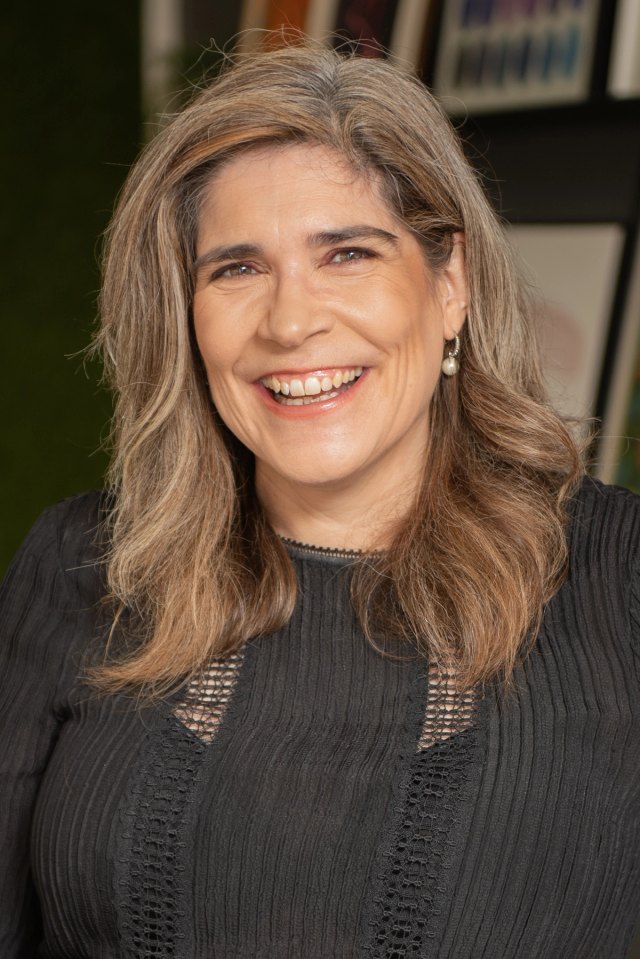
Louise Hosking is a Chartered Environmental Health Practitioner, Chartered Occupational Safety and Health Professional and former IOSH President with more than 30 years' experience helping organisations navigate complexity across the public, private and third sectors.
Working at the intersection of governance, leadership, health, safety and sustainability, she has spent her career exploring how decisions shape organisational outcomes. That experience led to the creation of The Choice Chain which is an approach to integrated decision-making that helps organisations strengthen judgement and create lasting value.
Why I Do This
I believe organisations have enormous influence over the wellbeing of people, society and the environment. Every decision they make has intended and unintended consequences that extend far beyond the boardroom.
Throughout my career I have been drawn to understanding why well-intentioned organisations sometimes create outcomes nobody wanted, and why others consistently build trust, resilience and long-term success.
My work is about helping leaders better understand the conditions that shape organisational choices, so purpose is more consistently translated into practice.
What I Have Learned
I help leaders see the connections they didn't know they were missing.
Over more than three decades, I've learned that organisations rarely struggle because people don't care.
More often, complexity, competing priorities and unintended consequences create a gap between what leaders intend and what people experience.
I don't believe organisations need more information. I believe they need greater clarity about what matters, why it matters and how today's choices shape tomorrow's outcomes.
One Conversation at a Time
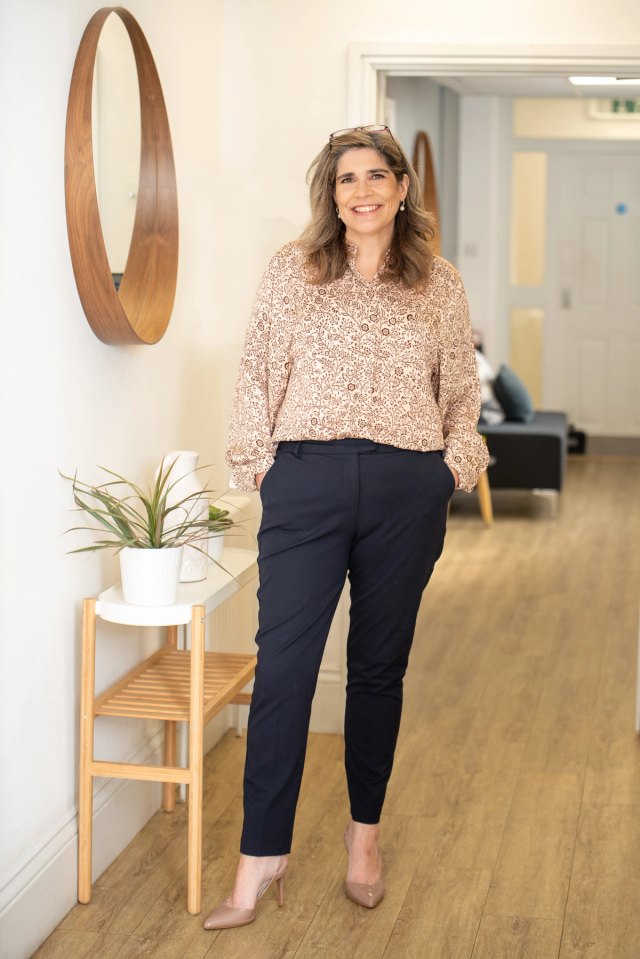
I have always believed meaningful change happens one conversation at a time. Organisations rarely transform through a single strategy, presentation or policy. They change through the quality of the conversations that shape everyday choices.
How I Work
- Independent
- I provide constructive challenge, not predetermined answers.
- Curious
- I believe better questions create the conditions for better choices.
- Practical
- Ideas only matter if they improve real organisational outcomes.
- Collaborative
- The best solutions emerge through conversation, not prescription.
- Evidence-Informed
- I combine professional experience, research and systems thinking rather than relying on opinion alone.
What You Will Find When We Work Together
- Someone who asks difficult questions respectfully.
- Someone who enjoys connecting ideas across disciplines.
- Someone who is comfortable navigating complexity.
- Someone who values independence over agreement.
- Someone who believes integrity is demonstrated through action rather than words.
Having worked across operational, executive and governance roles, I've seen how leadership decisions are interpreted differently at every organisational level. That experience has taught me that strong governance and good policy alone do not create strong outcomes. What matters is how choices are understood, translated and experienced throughout an organisation.
I ask the questions others may avoid and help leaders recognise the weight in whispers revealing what is already present but not yet fully visible.
People who know me well often smile when I describe my approach as being "consistently persistent and persistently consistent." I believe lasting change rarely comes from dramatic interventions. It comes from showing up, asking better questions and making thoughtful progress over time.
Meaningful change rarely happens all at once.It happens one conversation at a time.
Where is your line?
If this resonates with you, particularly if you are operating at Board or Executive level, I’d welcome the conversation. How are decisions really being made in your organisation?
Start the conversation